


Type
The enneagram describes nine basic archetypes of human personality (types 1 through 9), strategies used by people to cope with challenges and difficulties. The type is first developed in early childhood as our core personality interacts with a broken world and discovers that more is needed for survival. Because the type is understood as stemming from one’s basic motivations, a) your type will never change, and b) you cannot have more than one type.
Passion
This is the emotional habit or the “vice” of each type, a basic motivation stemming from one’s original wound. For example, the passion / vice of the type 5 is “avarice,” meaning the type 5 is afraid there “is not enough.”
Fixation
This is a type’s justification for avoiding the hard work of change related to their passion. If the type 5’s passion is avarice, then the type 5’s fixation is stinginess — avoiding giving anything away to compensate for the fear of not having enough.
Original Wound
The wound does not ascribe blame to parents, family, friends, or other influences in a person’s early life, it merely describes a narrative the type experiences and adopts early on. For example, a type 3 often felt that their performance was the only thing that mattered, and thus harmed their ability to love themselves and others.
Growth Line
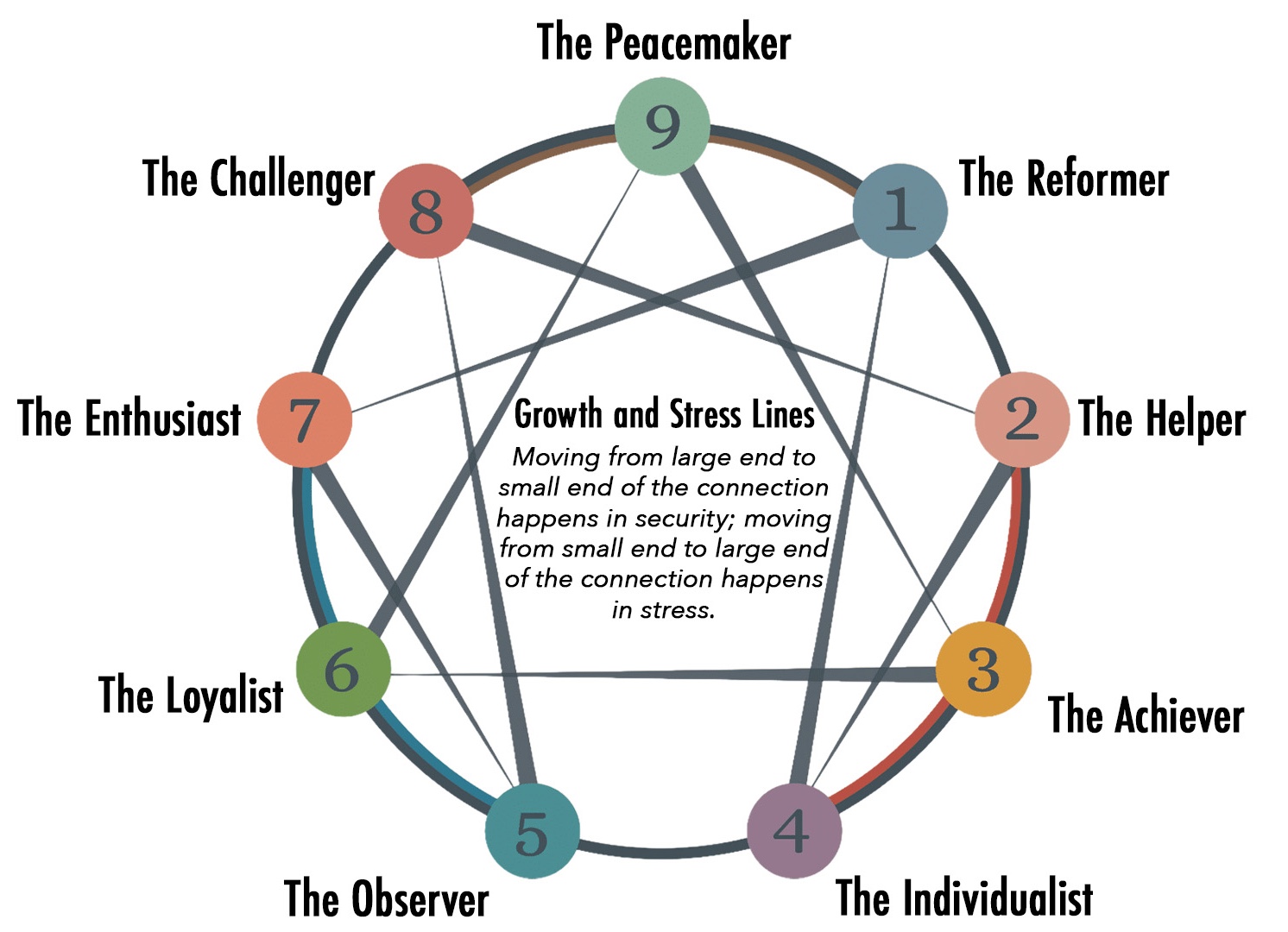
Also called an “Open Point”. These are used by a type to adopt qualities or behaviors that their type lacks and may be challenging for that type. However, because they are in a place of security they have the ability to draw on qualities of their growth line. The open point often balances out the primary coping mechanisms of the type. For example, the high-strung type 1, in security, learns to relax and have fun as they draw from type 7.
Stress Line
Also called a “Stress Point”. These are used by a type to adopt qualities or behaviors they lack when under stress. They are adaptive qualities that help the type under stress, but the behaviors usually draw from the less desirable qualities of the other type. For example, in stress, type 2 goes to 8 in order to borrow aggressiveness in seeking a stronger emotional bond.
Triads
Groups of three types on the enneagram that hold something in common. There are three types of triads:
Centers of Intelligence: describes how the types in that triad process information and experience (Body/Gut Triad processes by instinct [8, 9, 1]; Heart Triad processes through emotions [2, 3, 4]; Head triad process in their intellect [5, 6, 7])
Hornevian Type: describes how the types in that triad solve conflict (asserting [8, 7, 3], withdrawing [5, 4, 9], and complying [1, 2, 6])
Harmonic Pattern: describes how the types in that triad handle their wants being frustrated (maintaining a positive outlook [7, 9, 2]; displaying competency [1, 3, 5]; reacting against [4, 6, 8])
Wings
A type is often influenced by the adjacent numbers on either side of the enneagram. They can be influenced by both sides at different types, but most of the time draw from one main side. These traits can balance out some of the more extreme parts of a type’s basic motivations. Two people with the same core motivation (the same type) can look very different depending on their wing. For example, a type 6 can have a 5-wing or a 7-wing.
The Body (“Gut”) Triad
Type 8: The Challenger
Triad: Body/Gut (anger is externalized)
Essential Quality: Strength
Passion: Lust for Intensity
Basic Desire: To protect themselves (looks like “being against”)
Basic Fear: of being controlled or harmed
Fixation: Vengeance / objectification (lose sense of the humanity of those around them [ex: see someone as their role, not as a person] in order to correct perceived wrongs, injustices, or power imbalances)
Virtue: Innocence (awakened in the midst of vulnerability)
Integration / Growth: Type 2 (show up as caring, generous, and loving)
Disintegration / Stress: Type 5 (withdraw, even less connected to their emotions, become uncompromising)
Wings: 7 (outgoing, energetic, fun, impulsive, ambitious, sometimes reckless);
9 (supportive, modest, tend to play a strong peacemaking role, approachable and open to cooperation over competition)
8s are often forged in environments where they felt they had to abandon or forget their childlike innocence early in order to stand up for themselves (and possibly for others) in order to survive. This leads to the constant question: can I trust you with me? They prefer the unvarnished truth from others, and prefer others challenge them right back (which tends to build trust with an 8). 8s are inherently aggressive, and build trust by pushing and “sparring” with others to see if the others can handle it. However, their antagonism can unintentionally sabotage their relationships. They tend to forget that they are not invincible or “super-human;” need reminding that moderation is a virtue, not a restraining order. They tend to identify with victims of injustice or unfairness and rush to their aid, though they tend to be more dualistic thinkers of “right vs wrong” than a more nuanced approach. However, as they grow in health, this can lead to them expressing their generosity and care towards others. As they work toward integration, 8s reclaim the innocence they gave away in childhood and learn to trust others, to show up as caring, generous, and loving.
Type 9: The Peacemaker
Triad: Body/Gut (anger is repressed/suppressed)
Essential Quality: Unity, wholeness
Passion: Sloth (lethargic, self-forgetting apathy to their own needs and desires)
Basic Desire: Peace of mind, wholeness
Basic Fear: loss, separation, fragmentation
Fixation: Indolence / Ruminating (lethargy; avoiding / withdrawing from the world, avoiding their own inner struggles, avoid drawing attention to themselves; avoiding conflict at all costs)
Virtue: Action (confident and active engagement with others; “leaning in” to love all)
Integration / Growth: Type 3 (more goal-oriented, decisive)
Disintegration / Stress: Type 6 (become overcommitted, worried, rigid, wary of others, and anxious, and can’t figure out why)
Wings: 8 (more assertive, ability to see through conflict with clarity and compromise for constructive ends); 1 (more detail-oriented, follow ethical convictions more tightly, firmer with conscience and principles)
9s were often overlooked or neglected as children, and felt unimportant or “lost.” They were ignored or attacked for having needs or for expressing themselves (particularly anger) and decided to, while keeping a low profile, focus on the needs and experiences of others. They have “fallen asleep” to their anger, and so they are often very disconnected, and have the lowest energy of any type on the enneagram. They avoid asserting their preferences in order to avoid creating conflict, which they avoid at all costs, often by “numbing out” through addictive behaviors (a cheap imitation of the inner peace for which they desperately long), by retreating to their “inner sanctum”, or by “merging” with those around them. They can see everyone’s point of view, which makes them excellent mediators, but they also see all of them as equally valid, which makes them indecisive and prone to the aforementioned “merging”. As 9s work toward integration, they awaken to themselves and take action, leaning in towards others and expressing their own preferences, even as they seek to make peace with all.
Type 1: The Reformer
Triad: Body/Gut (anger is internalized)
Essential Quality: Goodness, Sacredness
Passion: Anger
Basic Desire: To protect themselves; to be good
Basic Fear: Being bad, corrupt
Fixation: Resentment, Judging (they have a hard time seeing the goodness in what is)
Virtue: Serenity (accepting the world / people for what it is / they are)
Integration / Growth: Type 7 (loosen up and allow themselves to be imperfect-yet-growing people, become playful with their imaginations and dreams; focus on what is right in the world rather than what is wrong)
Disintegration / Stress: Type 4 (come to believe they’re the only ones who understand excellence, resentment towards others grows and are more sensitive to criticism)
Wings: 9 (drive for perfection is to reconcile all things; more detached, introverted, and relaxed, and idealistic; tend to procrastinate more out of fear of getting it wrong); 2 (their drive for excellence is a gift for enabling the integrity of others; more extroverted, warm, helpful, and empathetic; tend to talk more and try to accomplish too much)
Type 1s never felt good enough as children, and so became obsessed with not making mistakes to avoid condemnation, reinforcing the idea that they are somehow inherently corrupt. And so, when the type 1 is about four years old, they “fire their parents.” The “rules” are very important to 1s (even though these rules are entirely self-created), but everywhere they look someone is breaking those rules and is getting away with it. But because anger is among those things that are not “good” to express, they push their anger down inside where it sits just below the surface as simmering resentment that expresses itself in condescension towards first themselves, and then towards others. 1s have a merciless inner critic that never lets up. They hold themselves to a higher standard than everyone else, which is saying something, because their standard for everyone else is quite high, and so their voice tends to come out towards others (who are not privy to the intensity of their inner critic) as judgmental criticism. However, without type 1s we’d never get anything done, let alone with excellence; they have a strong internal moral compass and will stand for truth even when it’s unpopular. They are idealists, believing a better world is possible, and so as God works in them toward integration, the virtue of serenity can grow, modeling a peaceful integrity and goodness.
Free Test (Beth McCord)
A step-by-step guide by enneagram coach Beth McCord, this free test is a great introduction and first step to understanding your type.
Free Test (Abbey Howe)
A basic enneagram inventory by enneagram coach Abbey Howe of “Enneagram with Abbey.”
Paid Test (Official RHETI)
Created by Enneagram Institute founders, this is a test for those looking to be a little more thorough and dive a little deeper. The official RHETI Enneagram Test is $20.
Paid Test (Ian Cron)
For those looking to do a thorough, deep dive to understanding themselves and others, Ian Cron (author of “The Road Back to You”) has a number of options that include deep dives, coaching, courses, and even online communities. Many are somewhat pricey, but are also very thorough.
Typology Podcast
The Enneagram Institute
The EnneaApp
The Enneagram, by Sleeping At Last
Hosted by author, speaker, counselor, and former Anglican Priest Ian Morgan Cron, Typology features interviews with recognized Enneagram leaders from every sphere of life, including renowned Enneagram teachers, bestselling authors, psychologists, theologians, artists, business leaders, neuroscientists, and others who are using the Enneagram as a path for personal transformation.
The Enneagram Institute, created in 1997 by the late Don Richard Riso and by Russ Hudson, was formed to further research and development of the Enneagram, one of the most powerful and insightful tools for understanding ourselves and others. This is a website full of resources, including several enneagram inventories. Of note, there are lengthy descriptions of each type, as well as helpful descriptions of each type in relationship with one another.
This is a helpful app for referencing details about enneagram types and themes, and also includes access to an enneagram inventory. The app is free to download, but for full functionality be prepared to spend around $4 in-app.
9 songs for the 9 uniquely beautiful enneagram types, from the Atlas: II song series by Sleeping at Last. Includes three songs for the three intelligence centers of the enneagram: Body, Heart, and Mind.
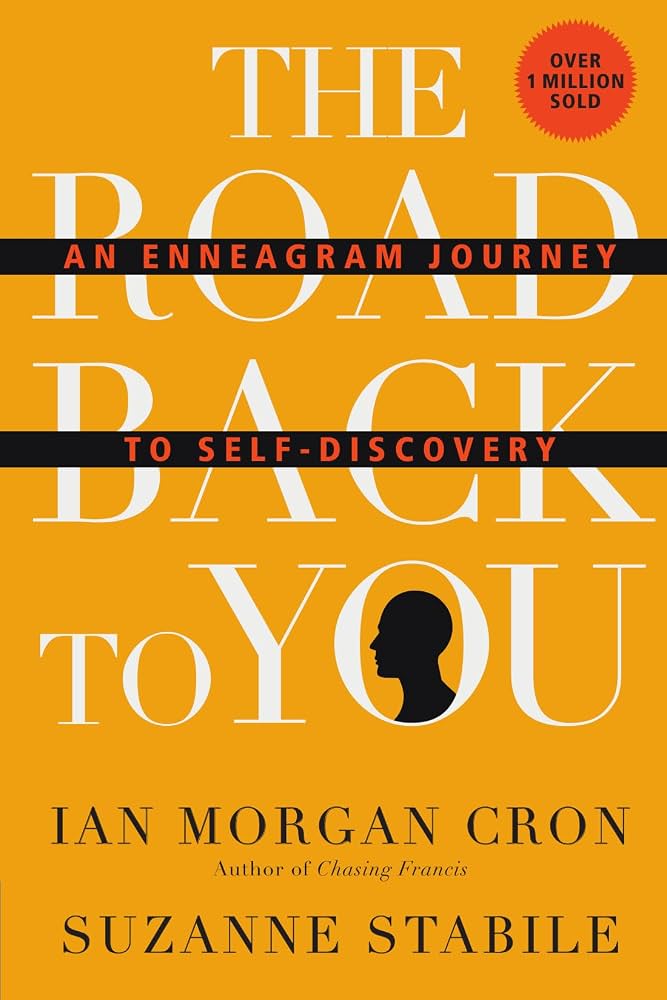
The Road Back to You
What you don’t know about yourself can hurt you and your relationships—and even keep you in the shallows with God. Do you want help figuring out who you are and why you’re stuck in the same ruts?
The Enneagram is an ancient personality typing system with an uncanny accuracy in describing how human beings are wired, both positively and negatively. In The Road Back to You Ian Morgan Cron and Suzanne Stabile forge a unique approach—a practical, comprehensive way of accessing Enneagram wisdom and exploring its connections with Christian spirituality for a deeper knowledge of ourselves, compassion for others, and love for God.
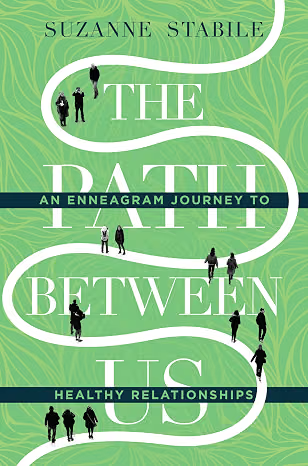
The Path Between Us
Most of us have no idea how others see or process their experiences. And that can make relationships hard, whether with intimate partners, with friends, or in the workplace. Understanding the motivations and dynamics of these different personality types can be the key that unlocks sometimes mystifying behavior in others—and in ourselves.
In The Path Between Us, Suzanne Stabile,
- explains the nine Enneagram types and how they behave and experience relationships
- guides you into deeper insights about yourself, your type, and others’ personalities, and
- invites you to have healthier, more life-giving relationships through the wisdom of the Enneagram.
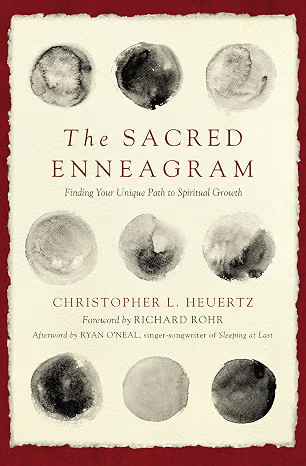
The Sacred Enneagram
Most of us spend a lifetime trying to figure out who we are and how we relate to others and God. The Enneagram is here to help. Far more than a personality test, author Chris Heuertz teaches us that the Enneagram is a sacred map to the soul.
Lies about who we think we are keep us trapped in loops of self-defeat, but the Enneagram uniquely reveals nine ways we get lost, as well as nine ways we find our way home to our true self and to God.
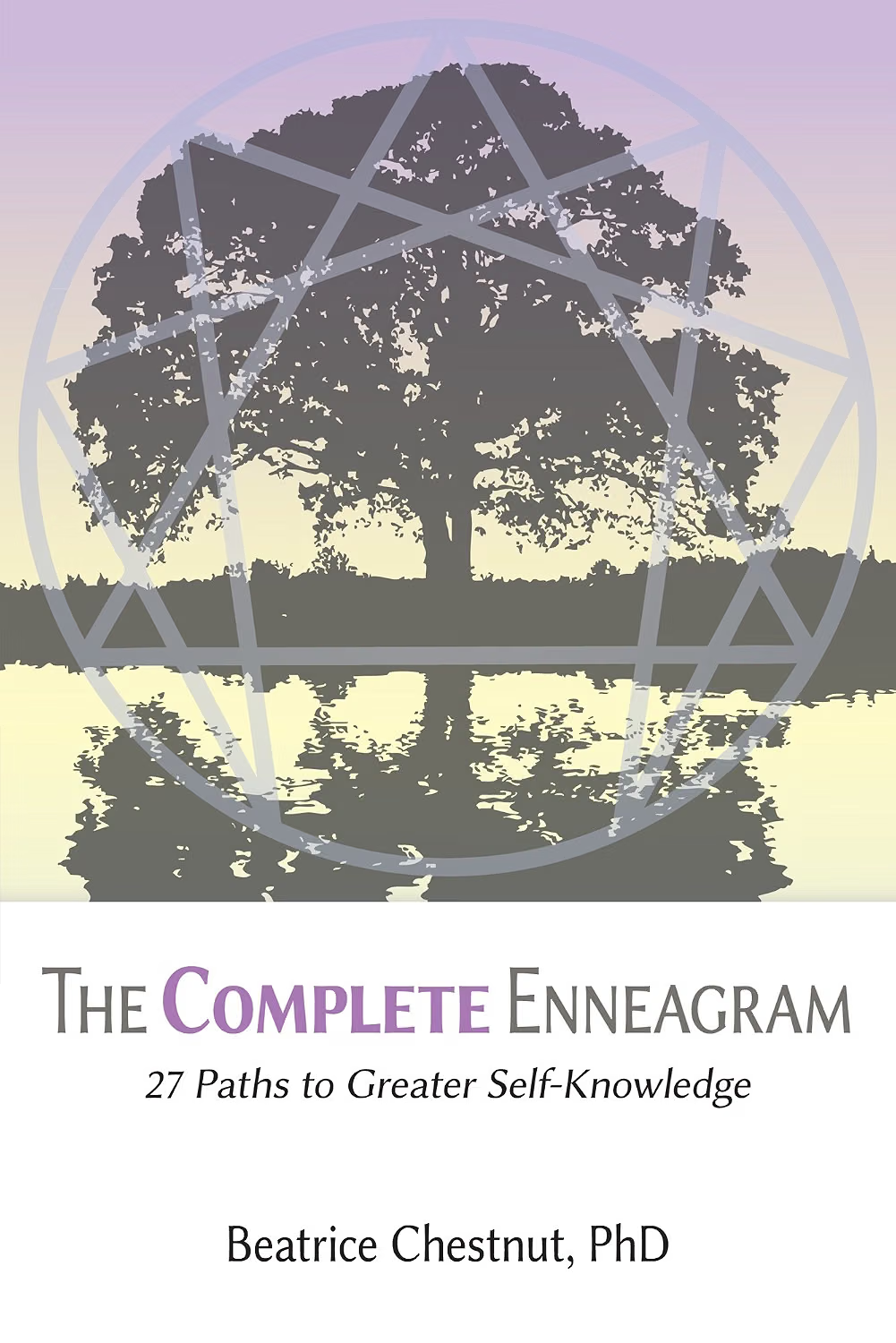
The Complete Enneagram
The Enneagram―a universal symbol of human purpose and possibility―is an excellent tool for doing the hardest part of consciousness work: realizing, owning, and accepting your strengths and weaknesses. In this comprehensive handbook, Beatrice Chestnut, PhD, traces the development of the personality as it relates to the nine types of the Enneagram, the three different subtype forms each type can take, and the path each of us can take toward liberation. With her guidance, readers will learn to observe themselves, face their fears and disowned Shadow aspects, and work to manifest their highest potential.
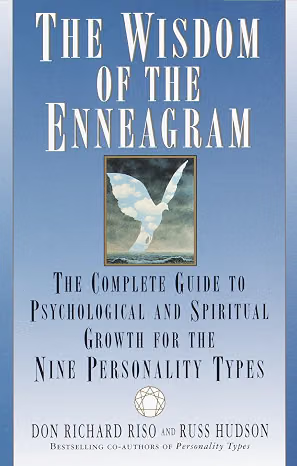
The Wisdom of the Enneagram
The ancient symbol of the Enneagram has become one of today’s most popular systems for self-understanding, based on nine distinct personality types. Now, two of the world’s foremost Enneagram authorities introduce a powerful new way to use the Enneagram as a tool for personal transformation and development. Whatever your spiritual background, the Enneagram shows how you can overcome your inner barriers, realize your unique gifts and strengths, and discover your deepest direction in life.
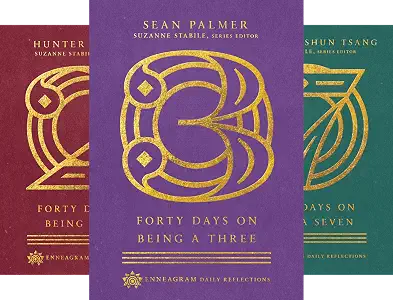
Enneagram Daily Reflections
These are Forty-Day daily devotions based on and targeted to the unique experiences, wisdom, lessons, and challenges of each of the nine enneagram types. They are intended for learning, for spiritual reflection, and for prayerful discernment for those seeking for God to transform them. Each includes journaling prompts, scripture references, and prayers for your unique type.
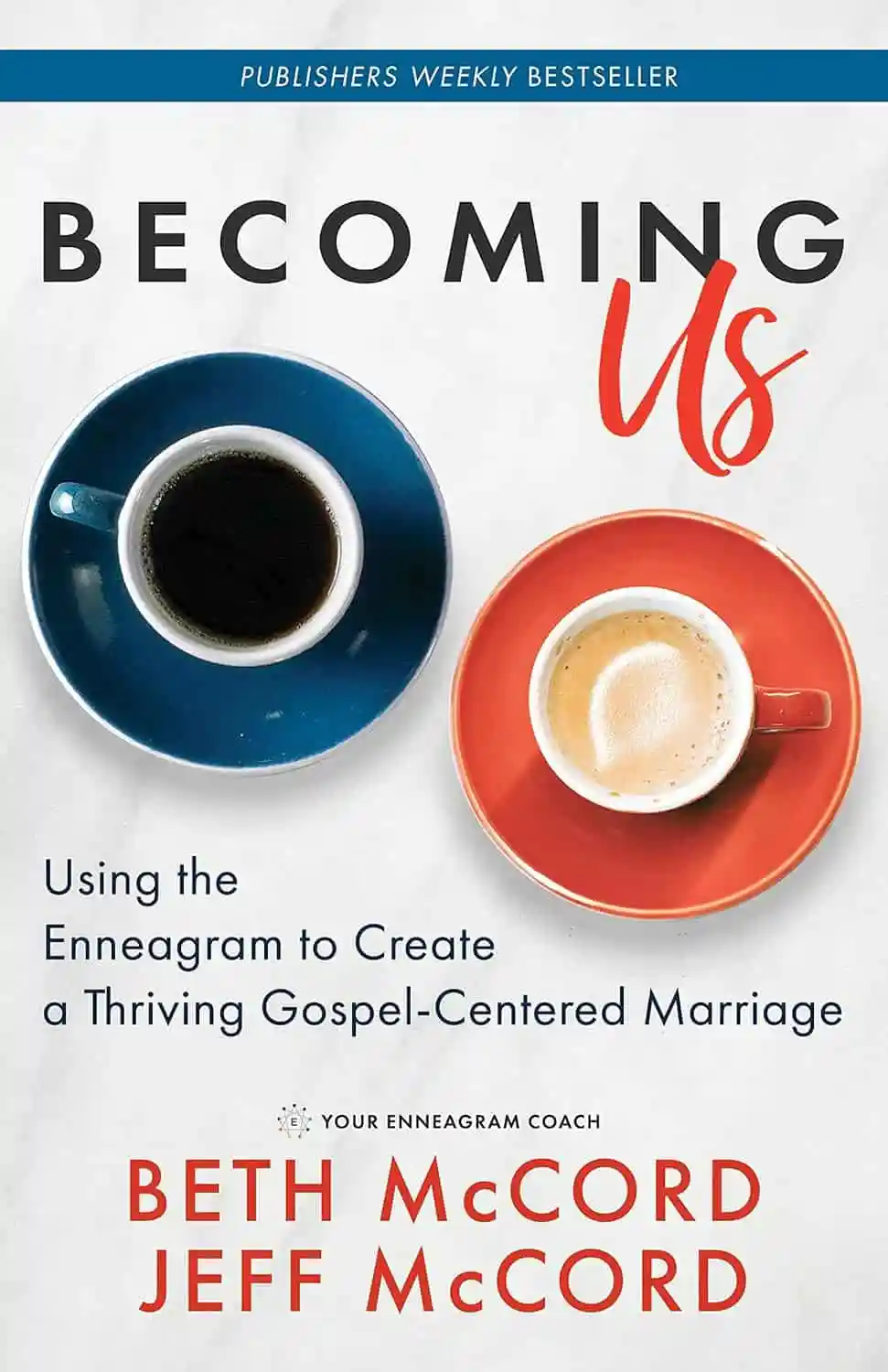
Becoming Us
Do you ever feel baffled by the person sleeping beside you? What if your spouse came with an instruction manual? Beth and Jeff McCord, founders of Your Enneagram Coach, have helped over 250,000 people discover their unique personality type and apply that knowledge to their relationships.
Becoming Us pulls back the curtain on marriage and weaves the Enneagram through the lense of the Gospel to reveal why you and your spouse behave in different ways.
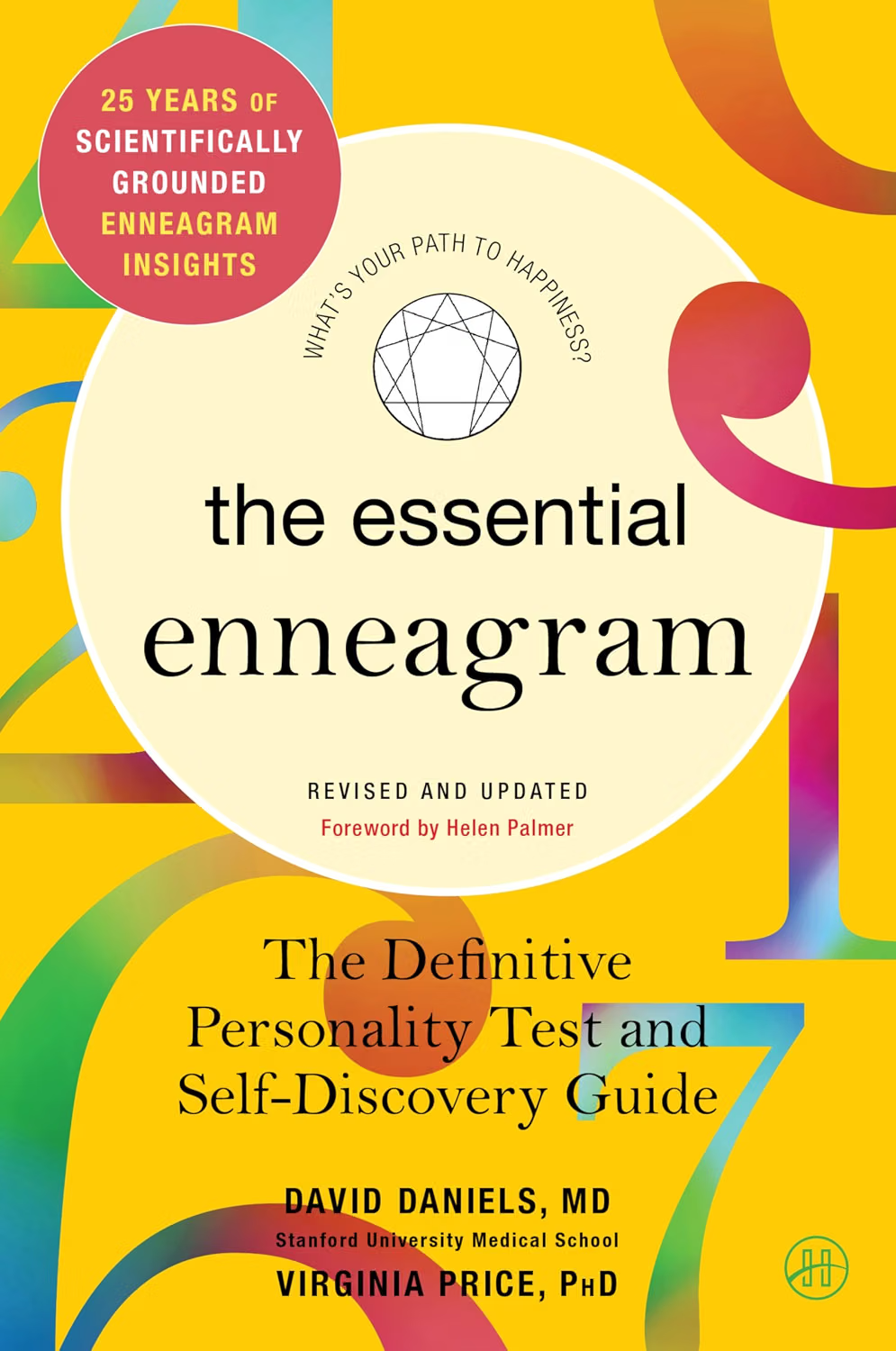
The Essential Enneagram
The most fundamental guide to the Enneagram ever offered, this book features effective self-tests to determine simply and accurately what your personality type is. Daniels and Price provide step-by-step instructions for taking inventory of how you think, what you feel, and what you experience. They then guide you in your discovery of what your type means for your personal well-being and your relationships with others, and they show you how to maximize your inherent strengths. Brimming with empowering information for each of the nine personality types—Perfectionist, Giver, Performer, Romantic, Observer, Loyal Skeptic, Epicure, Protector, and Mediator—this one-of-a-kind book equips you with all the tools you need to dramatically enhance your quality of life.

Rev. Abby Walker
Abby is a a certified enneagram coach and teacher, and has been working with the enneagram for more than 10 years. She is ordained in the Evangelical Covenant Church and currently serves in Kansas as a hospice chaplain.

Your Enneagram Coach
Beth and Jeff McCord are passionate about helping people discover the transformative power of the Enneagram through a faith-based approach. With over 30 years of marriage and ministry experience, they have helped thousands of individuals, couples, families, and teams experience greater self-awareness, deeper connection, and lasting transformation.

Enneagram with Abbey
Certified enneagram coach and quirky host of an enneagram-themed youtube channel, Abbey Howe says “If you’ve ever rolled your eyes at a personality system that felt “woo-woo” or overcomplicated, you’re not alone. I focus on making the Enneagram approachable, practical, and… :gasp:* …fun.”


